Published on September 24, 2026
How do you maximize attendance at an event?
Start by understanding your audience, creating a compelling event experience, and making it easy for people to discover, register for, and attend your event.
Whether you’re planning a corporate conference, charity event, gala, wedding, or trade show, these seven strategies can help you attract more attendees, reduce no-shows, and create a better event experience.
Event Planning Experts Share Their Advice
We asked event professionals Aaron McFarlane of RandaVoo Events and Ajeena Alias, an Event Services Manager at Rogers Centre Ottawa, to share their advice for increasing event attendance.
Aaron Recommends Starting With Your Audience
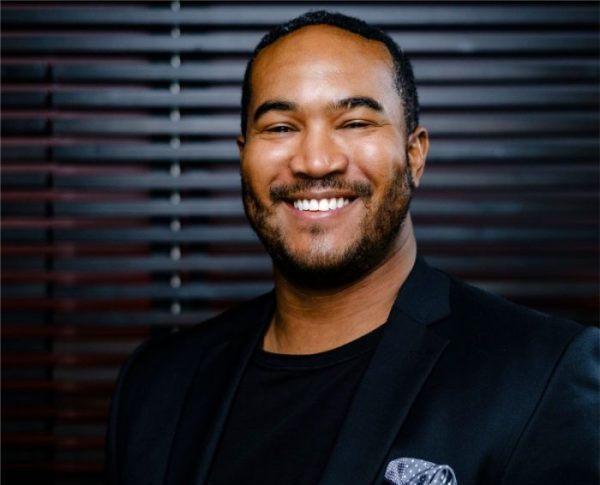

Ajeena Recommends Keeping Registration Simple
“Keep your registration short and to the point. Make necessary questions mandatory and don’t ask too many unnecessary questions. Depending on your demographic, having an offline option can be helpful as well.”
1. Understand Your Audience
The first step to maximizing event attendance is understanding who you want to attract and what they value.
Use surveys, registration data, feedback, and insights from past events to identify your audience’s:
- Needs and interests
- Demographics
- Motivations for attending
- Preferred event formats and experiences
Use these insights to shape your event, programming, messaging, and promotional strategy. When your event meets your audience’s needs, you’re more likely to attract the right attendees.
As Aaron McFarlane of RandaVoo Events explains, understanding your industry and customers helps you create an event that provides meaningful value to your desired audience.
2. Give People a Reason to Attend
People are more likely to attend an event when they understand what they’ll get from the experience.
Create programming that meets your audience’s needs and clearly communicate its value. Depending on your event, this could include:
- Keynote speakers
- Panel discussions
- Workshops
- Networking opportunities
- Exclusive experiences
Highlight these benefits throughout your event website, email campaigns, and social media posts. Use clear headlines, compelling descriptions, and engaging visuals to show potential attendees why your event is worth their time.
3. Use Social Media to Promote Your Event
Social media can help you build awareness, engage potential attendees, and keep your event top of mind. Choose the platforms your audience uses most and create a consistent promotional plan.
Try these tactics:
- Create an Event Page: Use platforms like Facebook and LinkedIn to create an event page where people can RSVP and receive updates.
- Use Hashtags: Develop a unique hashtag for your event and encourage attendees to use it. This helps in tracking conversations and increasing visibility.
- Engage with Influencers: Partner with industry influencers to promote your event. Their endorsement can lend credibility and reach a wider audience.
- Run Contests and Giveaways: Create excitement by running contests or giveaways. This not only boosts engagement but also encourages more people to attend.

4. Send Reminders
Regular reminders can help keep your event top of mind and reduce no-shows.
Use your registration and email marketing systems to follow up with attendees at key points before the event. Depending on your audience, reminders can be sent by:
- Phone
Keep reminders useful and timely by sharing important updates, event details, deadlines, and information attendees need to know before they arrive.
As Aaron recommends, these “courtesy nudges” can help keep attendees engaged and informed throughout the pre-event promotion cycle.
5. Offer Early Bird Discounts and Incentives
Incentivize early registration by offering discounts or special perks to those who sign up early. This not only boosts initial attendance numbers but also contributes to more strategic event planning.
Consider offering:
- Discounted Ticket Prices: Provide lower prices for early registrations.
- Exclusive Content: Offer early registrants access to exclusive content, such as VIP sessions or special networking events.
- Group Discounts: Encourage attendees to bring colleagues or friends by offering group discounts.
6. Optimize Your Event Website
Your event website should make it easy for potential attendees to answer three questions: What is the event? Why should I attend? How do I register?
Make sure your website includes:
- Clear Event Details: Provide all necessary information, including date, time, location, agenda, and speakers.
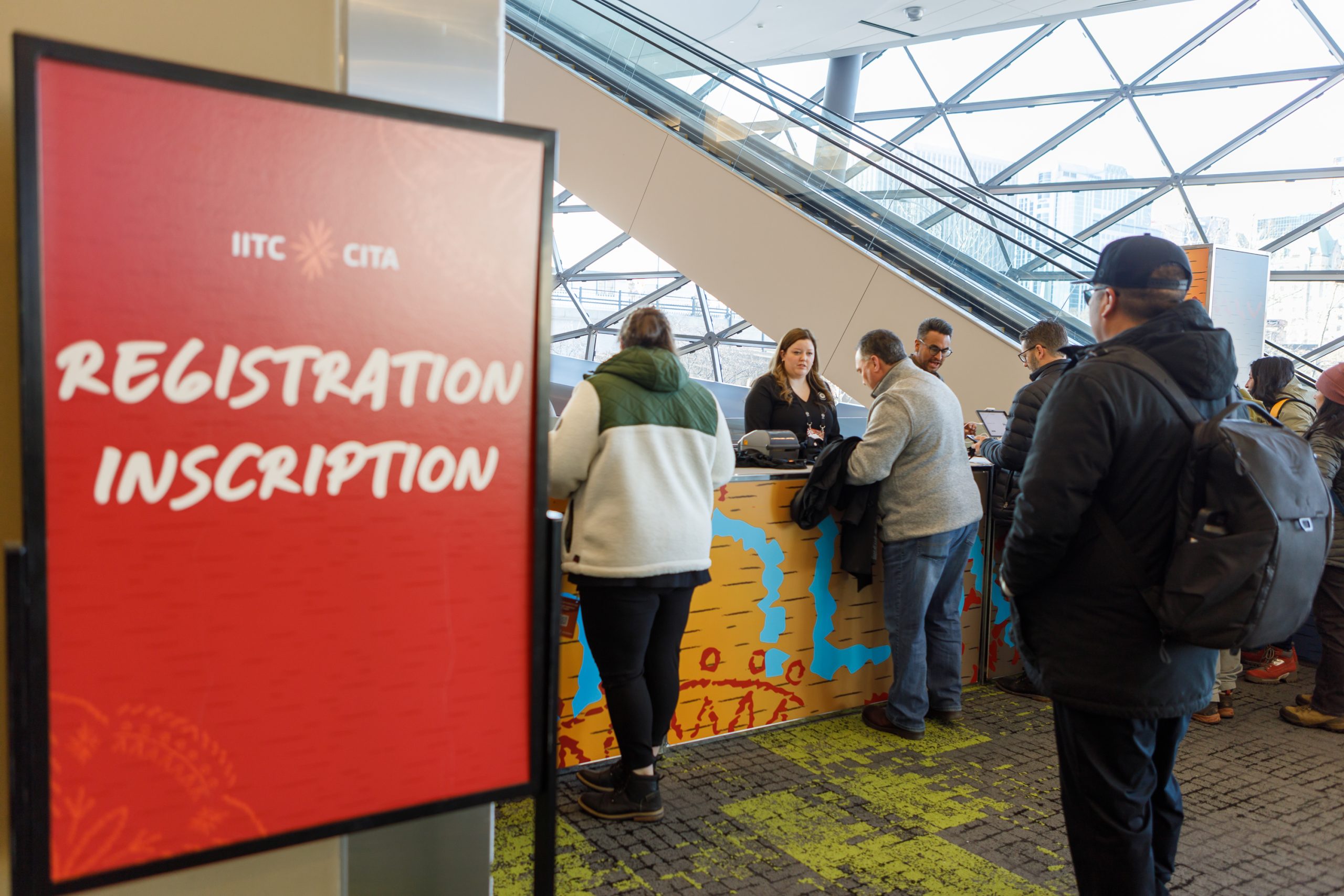
- Easy Registration Process: Make the registration process as simple and quick as possible.
- Engaging Visuals and Videos: Use images and videos to create excitement and give a glimpse of what attendees can expect. If your budget permits hire a videographer at your event and use that footage to promote your next one.
- SEO Optimization: Optimize your website for search engines to increase visibility.
7. Utilize Traditional Marketing Methods
While digital marketing is essential, don’t overlook traditional methods. Depending on your audience and event type, strategies like print advertising, direct mail, and word-of-mouth can still be highly effective.
Consider:
- Flyers and Posters: Distribute these in high-traffic areas where your target audience frequents.
- Press Releases: Send press releases to local media to generate buzz.
- Networking: Leverage your personal and professional networks to spread the word.
8. Follow Up and Build Relationships
Event marketing doesn’t end when your attendees go home. Follow up after the event to thank attendees, collect feedback, and maintain the relationship.
Send a post-event email that can include:
- A thank-you message
- A feedback survey
- Event photos or recordings
- Information about upcoming events
Use what you learn to improve future events and give attendees another reason to come back.
Planning Your Next Event?
From choosing the right space to creating a memorable attendee experience, the Rogers Centre Ottawa team can help you bring your next event to life. Explore our event planners overview or get in touch with our team to learn more about how we can support your event.